What is a Network IP Camera? Features, Benefits & Applications Explained
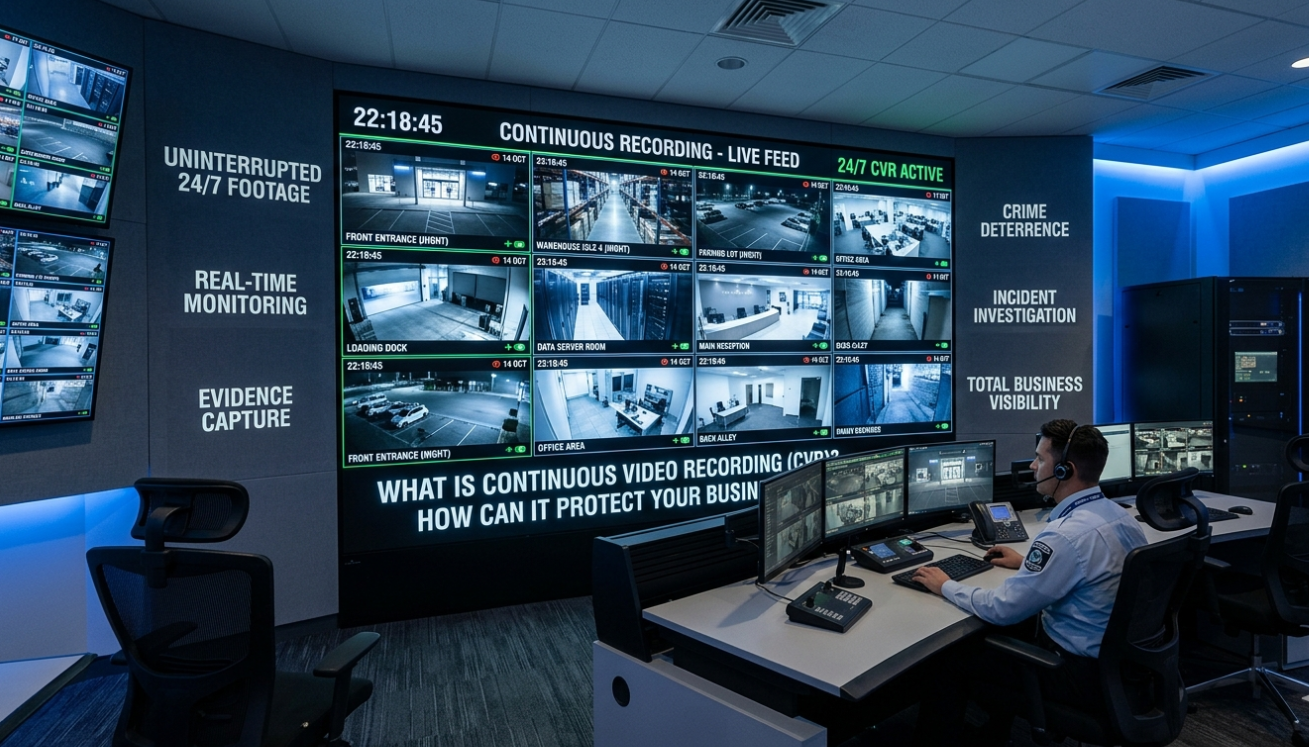
In today’s rapidly growing digital world, security has become one of the biggest priorities for homes, offices, industries, malls, warehouses, and commercial buildings. Traditional CCTV systems are now being replaced by smarter and more advanced surveillance technologies. One of the most popular and efficient solutions is the Network IP Camera system. Network IP Cameras are transforming the way businesses and homeowners monitor security. With HD video quality, remote access, AI-powered analytics, motion detection, and cloud storage capabilities, these cameras provide a modern and reliable surveillance solution for every environment. Whether you want to secure your office, factory, retail store, apartment, or industrial site, Network IP Cameras offer better flexibility, scalability, and smarter monitoring compared to traditional analog CCTV systems.
A Network IP Camera, also known as an Internet Protocol Camera, is a digital surveillance camera that transmits video data through a network or internet connection. Unlike traditional CCTV cameras that require DVR systems and coaxial cables, IP Cameras work using network connectivity and can be accessed remotely from smartphones, laptops, or computers. These cameras capture and send high-quality digital video directly over a network, making monitoring more efficient and convenient.
Modern Network IP Cameras are widely used in:
- Offices
- Industries
- Schools & Colleges
- Hospitals
- Shopping Malls
- Warehouses
- Residential Buildings
- Parking Areas
- Factories
- Smart Cities
They are considered one of the best security solutions for modern surveillance systems.:
A Network IP Camera works bycapturing video footage digitally and transmitting it over a network connection. Each camera has its own IP address, allowing users to access live video remotely through mobile applications or monitoring software.:
Basic Working Process:
- Camera captures video footage
- Video converts into digital signals
- Data transfers through LAN/Wi-Fi/Internet
- NVR or cloud storage stores footage
- Users can monitor remotely anytime
This smart technology helps businesses and homeowners monitor their property from anywhere in the world.
Modern Network IP Cameras come with advanced features that improve security and monitoring efficiency.
- 1. High-Definition Video Quality IP Cameras provide crystal-clear HD and Ultra HD video quality, making it easier to identify faces, vehicles, and activities.
- 2. Remote Monitoring Users can monitor live footage remotely using smartphones, tablets, or computers.
- 3. Motion Detection Alerts The camera detects movement and instantly sends notifications or alerts to users.
- 4. Night Vision Technology Infrared night vision allows cameras to record clear footage even in low-light or dark environments.
- 5. Cloud Storage Support Modern cameras support cloud-based storage for secure and easy access to recordings.
- 6. AI-Based Analytics Advanced IP Cameras can detect Human movement Vehicle tracking Face recognition Intrusion detection Suspicious activity
- 7. Two-Way Audio Some cameras allow real-time communication through built-in microphones and speakers.
- Businesses and property owners are increasingly choosing IP Camera systems because of their multiple advantages.
- Better Video Quality Compared to traditional CCTV systems, IP Cameras provide superior image clarity and digital zoom capabilities.
- Easy Remote Access You can monitor your office, home, or factory from anywhere using internet connectivity.
- Scalable Security Solution Additional cameras can easily be added to the network without major wiring changes.
- Smart Analytics AI-powered features improve security monitoring and reduce false alarms.
- Reduced Maintenance Digital systems require less maintenance and offer long-term reliability.
- Improved Business Security Network IP Cameras help prevent: Theft Unauthorized access Employee misconduct Property damage Security breaches
Network IP Cameras are used across multiple industries and environments for effective security management.
- Commercial Buildings Commercial spaces use IP Cameras for Entry/Exit monitoring Visitor management Employee surveillance Parking security
- Industrial & Factory Security Factories and warehouses require 24/7 monitoring to protect assets and workers. Common industrial applications include: Production area monitoring Inventory protection Hazard detection Perimeter surveillance
- Residential Security Homeowners use Network IP Cameras for: Home entrance monitoring Child safety Visitor tracking Theft prevention
- Educational Institutions Schools and colleges use surveillance systems to improve campus safety. Key monitoring areas: Classrooms Corridors Parking areas Main gates.
Many businesses compare Network IP Cameras with traditional CCTV systems before choosing a security solution. Network IP Cameras provide advanced features like HD and 4K video quality, allowing users to capture clearer and more detailed footage compared to traditional CCTV cameras, which usually offer low to medium video quality. One of the biggest advantages of IP Cameras is remote access, enabling users to monitor live footage anytime and from anywhere using smartphones or computers, while traditional CCTV systems offer limited remote monitoring capabilities.
Modern IP Cameras are also equipped with AI-enabled smart features such as motion detection, face recognition, and real-time alerts, whereas traditional CCTV systems mainly provide basic recording functions. Installation of Network IP Cameras is more flexible and scalable because additional cameras can easily be connected through a network. In contrast, traditional CCTV systems often require complex wiring and are difficult to expand.
Storage management is another major difference. Network IP Cameras support cloud storage and NVR systems, making data storage more secure and accessible, while traditional CCTV systems rely mainly on DVR storage. Additionally, IP Cameras provide real-time monitoring and smart analytics, helping businesses improve security efficiency and threat detection. Due to these advantages, many industries, offices, commercial buildings, and homeowners are now upgrading to modern Network IP Camera surveillance systems.
Choosing the right surveillance system is important for maximum security and performance.
- Resolution Quality Choose HD or 4K cameras for better image clarity.
- Storage Capacity Select sufficient cloud or NVR storage based on recording requirements.
- Indoor or Outdoor Usage Outdoor cameras should have weatherproof protection.
- Night Vision Range Ensure cameras can capture clear footage at night.
- AI Features Modern AI-based features improve monitoring efficiency and threat detection.
- Remote Monitoring Support Choose cameras compatible with mobile applications for easy access.
India is rapidly adopting smart surveillance technologies due to increasing security concerns and digital transformation. Businesses now prefer Network IP Cameras because they offer:
- Smart monitoring
- Reduced security risks
- Real-time alerts
- Remote access
- Better evidence recording
- Improved operational control
Industries, commercial complexes, apartments, and corporate offices are increasingly investing in modern IP surveillance systems for enhanced protection.
The future of surveillance technology is becoming smarter with Artificial Intelligence and cloud integration.
Upcoming trends include:.
- AI-powered monitoring
- Facial recognition systems
- Smart city surveillance
- Remote automation
- IoT-integrated cameras
- Real-time analytics
These advancements will make security systems more intelligent, efficient, and reliable..
Network IP Cameras have become an essential part of modern security systems for homes, businesses, industries, and commercial buildings. Their advanced features such as HD video quality, remote monitoring, AI analytics, motion detection, and cloud storage make them a superior choice compared to traditional CCTV systems. Investing in a reliable Network IP Camera system helps improve safety, prevent security threats, and ensure 24/7 surveillance monitoring. As technology continues to evolve, IP surveillance systems will play a major role in creating smarter and safer environments. For professional surveillance solutions, smart security systems, and advanced monitoring technology, choose D’PARK CORPORATION Best Fire and Security Solution Indore Pan India.
Your safety is the protection of others