The First 60 Seconds of a Fire Emergency – Are You Ready to Act?
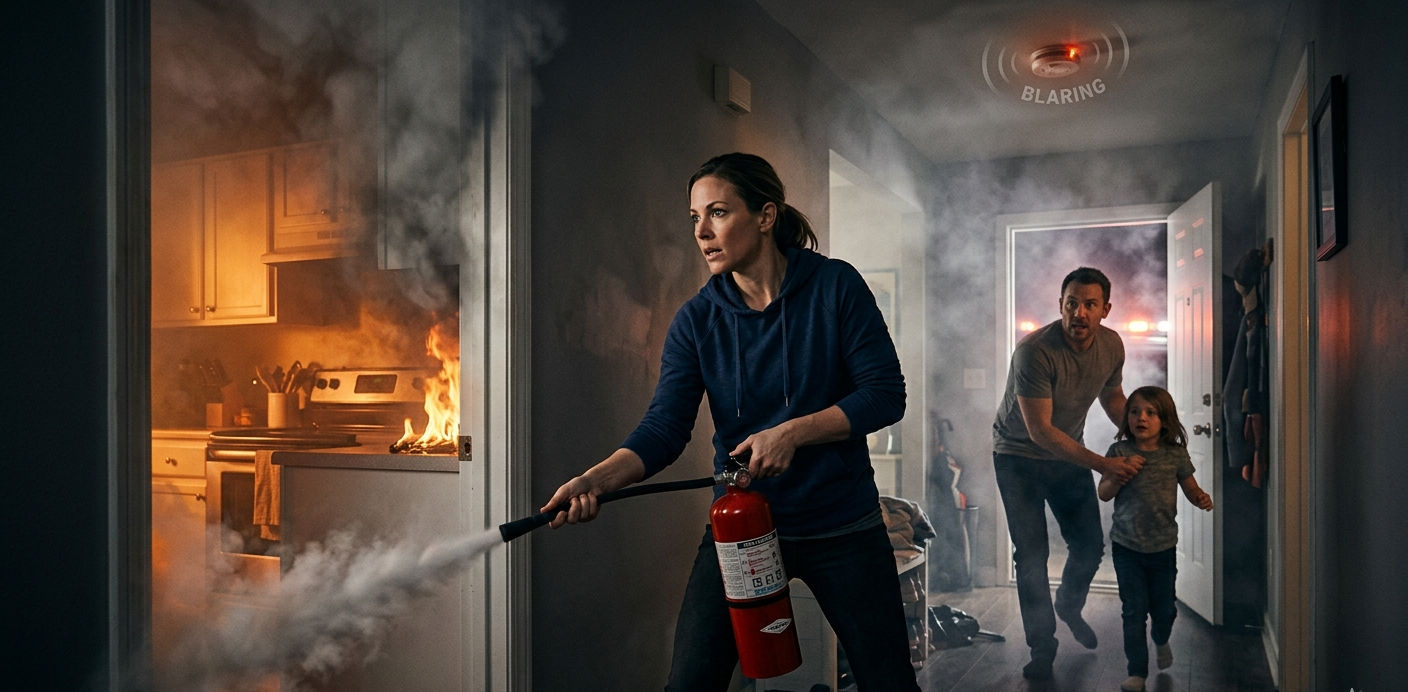
Fire emergencies can happen without any warning. A small spark can turn into a dangerous situation within seconds. In such moments, your actions in the first 60 seconds are extremely important. Staying calm, acting quickly, and having the right safety setup can make a huge difference.
Why the First 60 Seconds Are Critical
When a fire starts, it spreads rapidly and produces thick smoke. This smoke can reduce visibility and make breathing difficult. Many people panic, which delays the right action. However, if proper fire safety systems like alarms or detectors are already in place, they can alert you instantly and give you valuable time to respond.
Step 1: Stay Calm and Understand the Situation
The moment you notice fire or smoke, do not panic. Take a quick look at where the fire is coming from, whether it is small or spreading fast, and if it can be controlled safely. Quick thinking helps you decide your next move.
Step 2: Alert People Around You
Inform everyone nearby immediately. Raise your voice or call for help, activate the fire alarm if available, and make sure others are aware of the danger. Early alerts can prevent injuries and save lives.
Step 3: Use the Right Fire Equipment If It Is Safe
If the fire is small works for most common fires like paper and wood. A CO₂ extinguisher is best for electrical fires. nd manageable, using the correct equipment can stop it from spreading. An ABC fire extinguisher foam extinguisher is suitable for oil or liquid fires, while a fire blanket is useful for small fires, especially in kitchens.
Using the right extinguisher at the time is crucial. MA any situations become worse simply because the wrong method is useright d. A properly maintained extinguisher can control fire within seconds if used correctly.
Step 4: Evacuate Without Delay
If the fire is not under control, leave immediately. Use the nearest exit, avoid elevators, stay low to avoid smoke, and help others if possible. Having a clear exit plan and proper safety systems in place can make evacuation faster and safer.
Step 5: Call Emergency Services
Once you are safe, contact the fire department. Provide the correct location details and explain the situation clearly. Quick communication ensures a faster emergency response.
Common Mistakes to Avoid
Ignoring early signs like smoke or a burning smell can be dangerous. Trying to control large fires without proper equipment increases risk. Using water on electrical or oil fires can worsen the situation. Not maintaining fire safety systems is another major issue, as equipment may fail during emergencies.
Fire Safety Is Not Just Installation – It Is Preparation
Many people believe installing a fire extinguisher is enough. In reality, safety depends on readiness and reliability. Equipment should be easily accessible, clearly marked, and regularly checked.
Workplaces and residential buildings are now focusing more on proper placement of hydrant extguisherins, routine inspection and refilling, testing alarm systems, and keeping emergency exits clear at all times. Even the best system can fail if it is not maintained properly.
Importance of Training and Awareness
Having fire safety equipment is only part of the solution. People should also know how to use it. Basic training helps individuals respond quickly and safely during emergencies.
This includes understanding different types of extinguishers, knowing how to act in emergencies, practicing evacuation drills, and identifying possible fire risks in daily life. Awareness improves response time and reduces panic.
Modern Fire Safety Solutions
Fire safety systems have become more advanced with time. Many places now use automatic fire alarm systems, smart smoke detectors, sprinkler systems, and gas leak detection systems.
These technologies help in early detection and reduce damage significantly. Investing in modern safety systems is becoming essential for homes, offices, and industries.
The Role of Regular Maintenance
Fire safety systems must always be in working condition. Regular maintenance ensures that equipment functions properly during emergencies. It helps identify issues such as low pressure in extinguishers or faults in alarm systems.
A small maintenance check can prevent major losses and ensure safety when it matters most.
Additional Insights: Building a Fire-Ready Environment
Beyond equipment and quick response, creating a fire-safe environment is equally important. Prevention always works better than reaction. Regular electrical inspections, proper storage of flammable materials, and avoiding overloaded circuits can significantly reduce fire risks.
In offices and industrial setups, clear signage plays a critical role. Emergency exits, fire extinguisher locations, and assembly points should always be visible and easy to understand. When people are familiar with their surroundings, they can react faster during emergencies without confusion.
Another key factor is conducting regular fire drills. These drills prepare people for real-life situations and help identify gaps in evacuation plans. It ensures that everyone knows their role and the safest way to exit the building. Practice builds confidence, and confidence reduces panic.
For residential spaces, simple habits can maksafety e a big difference. Turning off electrical appliances when not in use, checking gas connections, and keeping emergency numbers accessible are small yet effective safety measures.
Additionally, having a designated coordinator or team in workplaces can improve emergency response. These individuals can guide others, manage evacuation, and ensure safety protocols are followed correctly.
Fire safety is a shared responsibility. Whether it’s a home, office, or industrial space, everyone plays a role in maintaining a safe environment. Awareness, preparation, and proactive measures together create a strong defense against fire emergencies.
Conclusion
Fire emergencies are unpredictable, but your response can make a difference. The first 60 seconds are critical, and taking the right steps can prevent serious damage.
Being prepared with the right fire safety equipment, proper planning, and regular maintenance ensures better protection for your home, office, or workplace. Instead of reacting at the last moment, it is always better to stay prepared in advance.
With the right support from D'PARK CORPORATION you can ensure your fire safety systems are reliable, well-maintained, and ready when it matters most. Because when it comes to fire safety, preparedness is the strongest protection.