Fire Hydrant Systems in India: Rules, Standards & Best Practices
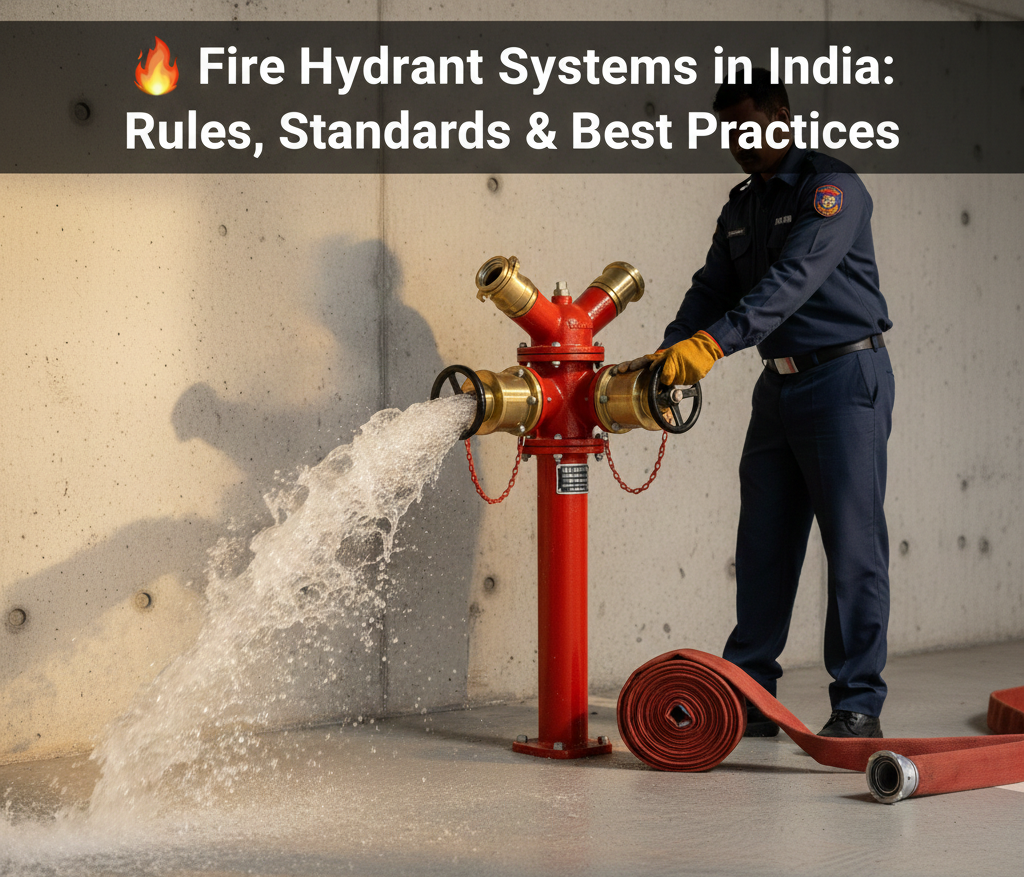
Fire safety is no longer optional in India; it is a legal and moral responsibility. With rapid urbanization, high-rise buildings, factories, warehouses, malls, and residential complexes face an increased risk of fire accidents. A fire hydrant system is one of the most critical firefighting installations designed to control fires at an early stage and prevent major losses.
In India, fire hydrant systems are governed by strict codes and standards to ensure reliability during emergencies. Understanding these rules and following best practices can save lives, protect property, and help businesses stay compliant with fire authorities.
A fire hydrant system is a network of pipes connected to a reliable water source, designed to supply water at high pressure during a fire emergency. It allows firefighters and trained occupants to control fires before they spread uncontrollably.
A typical fire hydrant system includes:
- Underground or overhead water storage tanks
- Fire pumps (main pump, jockey pump, diesel pump)
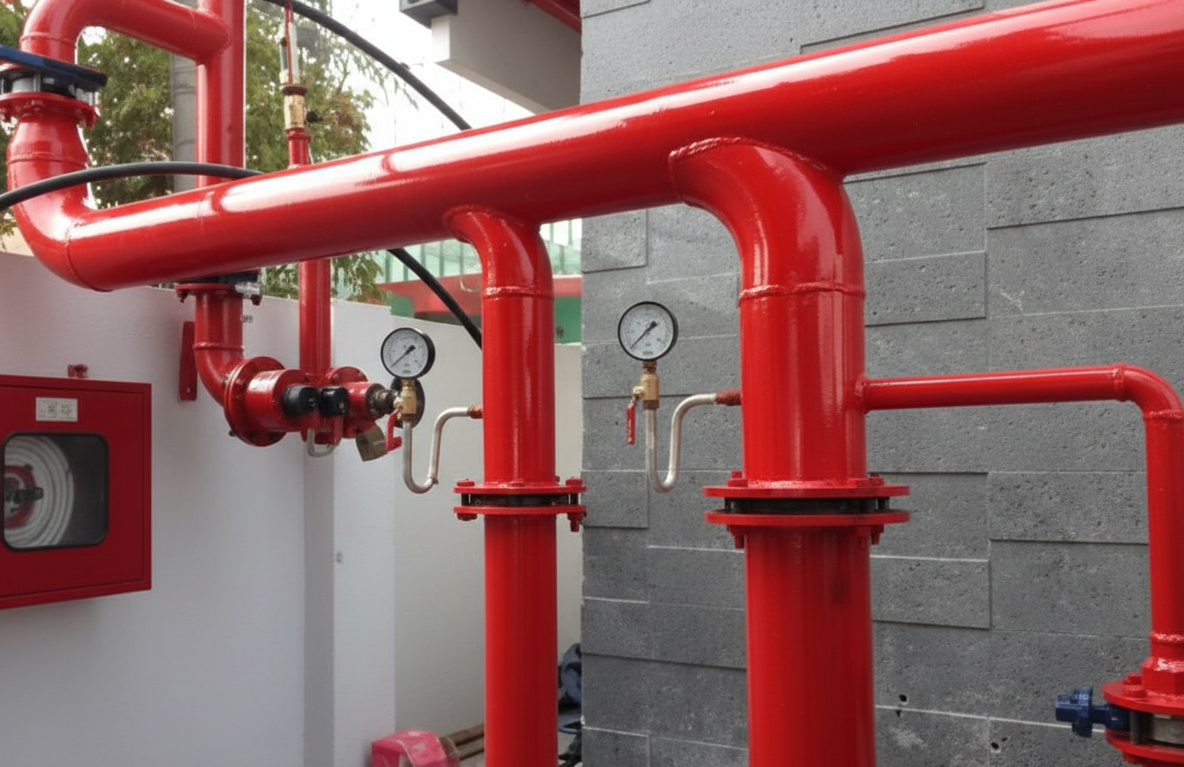
- Hydrant pipelines
- Landing valves and hydrant valves
- Fire hoses, hose boxes, and nozzles
These systems are mainly used in large buildings, industrial units, and high-risk areas where portable fire extinguishers alone are not sufficient.
In India, fire hydrant systems are mandatory for many types of buildings based on height, occupancy, and risk category. Fire departments of individual states enforce these rules while following national standards.
Buildings that typically require fire hydrant systems include:
- High-rise residential buildings
- Commercial complexes and malls
- Factories and industrial plants
- Warehouses and storage facilities
- Hospitals, hotels, and educational institutions
Approval from the local fire authority is compulsory before occupancy, and regular inspections are conducted to ensure system readiness.
Fire hydrant systems in India must comply with recognized national standards. The most important ones include:
- NBC (National Building Code of India) – Provides guidelines for fire protection systems based on building type and height.
- IS 3844 – Indian Standard for installation and maintenance of internal fire hydrant systems.
- IS 13039 – Covers external fire hydrant systems.
- TAC Guidelines (Tariff Advisory Committee) – Widely followed for industrial and commercial fire safety installations.
- State Fire Service Rules – Local fire authority requirements that may vary slightly from state to state.
Following these standards ensures your system is legally compliant and technically reliable during emergencies.
Each component of a fire hydrant system plays a crucial role in effective firefighting.
- Fire Water Tank: Stores sufficient water exclusively for firefighting purposes.
- Fire Pumps: Maintain required water pressure; includes electric pump, diesel pump, and jockey pump.
- Hydrant Valves & Landing Valves: Provide controlled water outlet points for hoses.
- Fire Hoses & Nozzles: Help direct water accurately at the fire source.
A failure in even one component can make the entire system ineffective during a critical moment.
Proper installation is as important as following standards. Poor design or shortcuts during installation can lead to system failure.
Best practices include:
- Designing the system based on actual fire load and risk assessment
- Using approved and tested materials only
- Ensuring proper pump capacity and water pressure
- Providing easy access to hydrant points
- Clear labeling and visibility of hydrant equipment
Engaging experienced fire safety professionals ensures correct system design and smooth approval from fire authorities.
A fire hydrant system is only effective if it works when needed. Regular maintenance is legally required and practically essential.
Maintenance best practices include:
- Weekly pump testing and pressure checks
- Monthly inspection of valves, hoses, and nozzles
- Annual full system testing as per IS standards
- Maintaining logbooks for inspections
Common mistakes to avoid:
- Blocked or inaccessible hydrant points
- Non-functional diesel pumps
- Empty or partially filled fire water tanks
- Ignoring minor leaks or pressure drops
Neglecting maintenance is one of the leading reasons fire systems fail during emergencies.
Fire hydrant systems are the backbone of firefighting infrastructure in India. Compliance with Indian rules, adherence to recognized standards, and following best practices in installation and maintenance can significantly reduce fire-related risks.
For businesses, industries, and residential complexes, investing in a well-designed and well-maintained fire hydrant system is not just about meeting legal requirements, it's about protecting lives, assets, and business continuity.
At D’PARK CORPORATION, we believe fire safety is a long-term commitment, not a one-time installation. By following the right standards and proactive maintenance, we help create safer buildings and a more secure future.